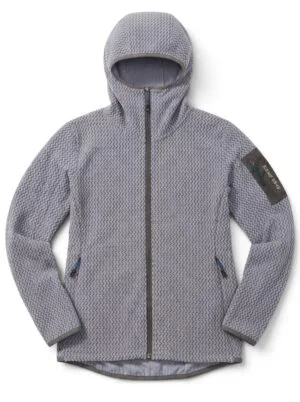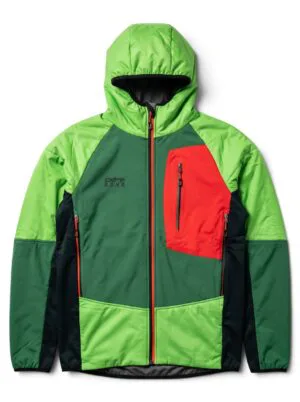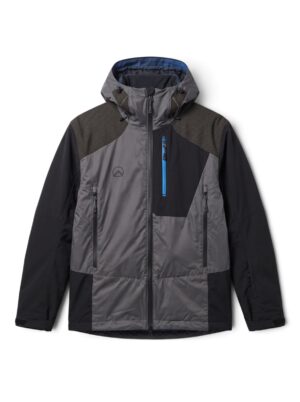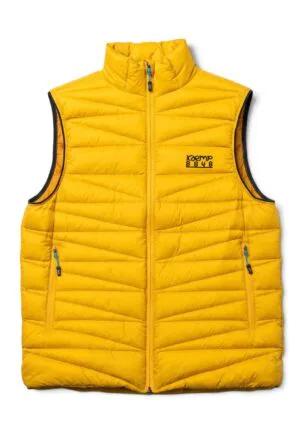
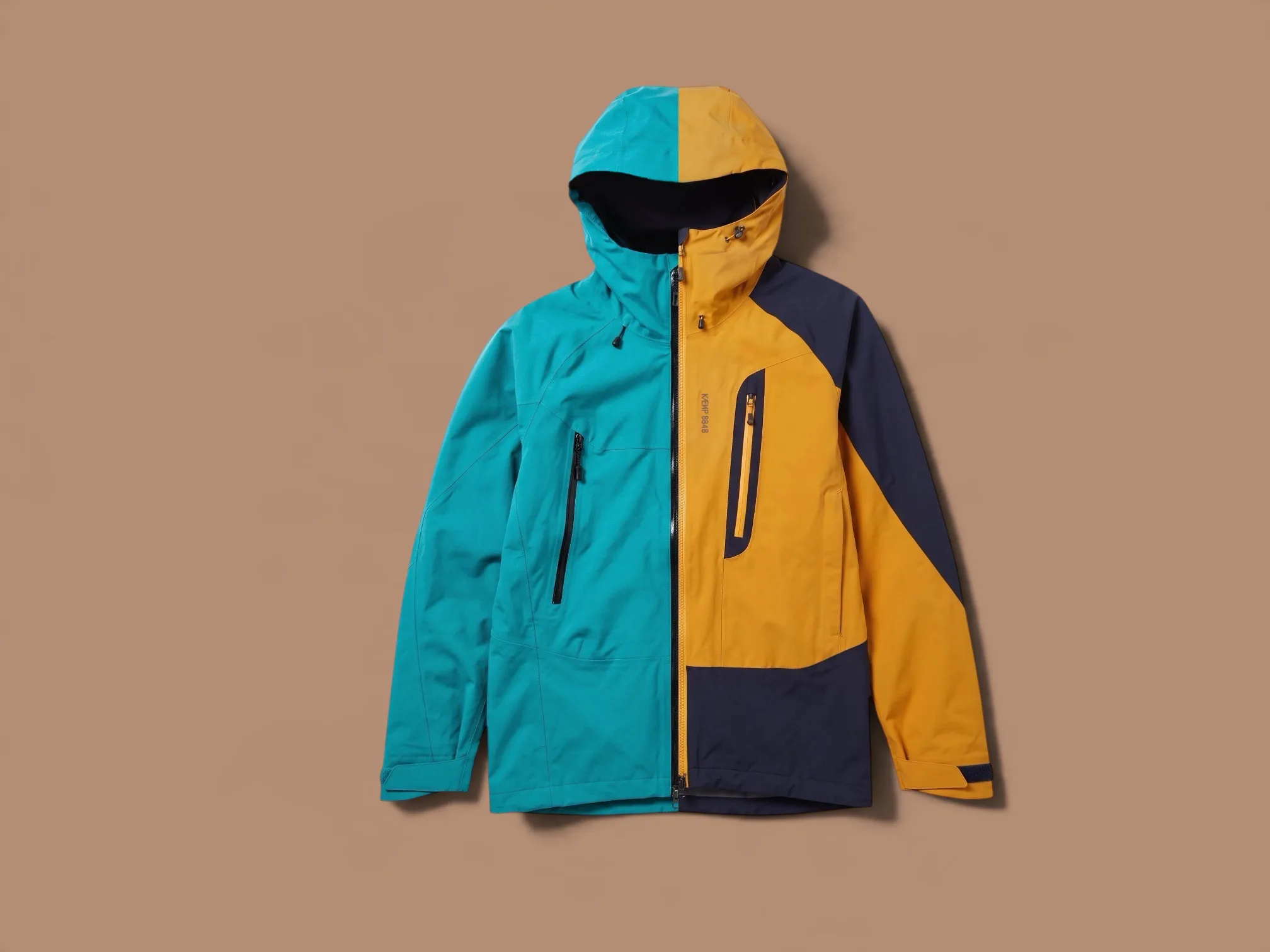
Two essential layers. Two different purposes. Find the right protection for your next adventure.
In the mountains, weather can change in minutes. Clear skies can turn into cold winds, heavy rain or unexpected snowfall. Choosing the right clothing is not simply about staying warm — it is about staying comfortable, protected and ready to move.
Among the most important pieces of outdoor equipment are hardshell and softshell jackets. Although they may look similar at first, each serves a different purpose.
Understanding the difference can help you choose the right jacket for trekking, mountaineering, hiking, climbing and everyday outdoor adventures.
What Is a Hardshell Jacket?
A hardshell jacket is designed primarily to protect you from the elements. It acts as an outer barrier against rain, snow and wind, helping keep your inner layers dry when conditions become demanding.
Modern technical hardshells often use waterproof, breathable fabric constructions, sealed seams and weather-resistant zippers to help prevent moisture from entering while allowing some water vapour to escape.
A hardshell is the layer you reach for when the weather turns.
Key features of a hardshell
Weather protection: Designed to resist rain, snow and strong winds.
Waterproof construction: Technical membranes, sealed seams and compatible closures help keep moisture out.
Breathability: Allows water vapour to escape, although performance varies with fabric, activity and conditions.
Adjustable coverage: Hoods, cuffs and hems can help seal out wind and precipitation.
Layering versatility: Can be worn over fleece or insulated jackets as conditions require.
When should you wear a hardshell?
Hardshell jackets are particularly useful for high-altitude trekking, mountaineering, exposed ridgelines, wet-weather hiking and ski touring.
For example, a three-layer TAROTEX hardshell from KAEMP 8848 can serve as your protective outer layer when rain, wind or snow demands greater coverage. The appropriate base and midlayers underneath help you adapt to changing temperatures.
A hardshell is not necessarily designed to provide insulation by itself. Its main job is weather protection, so layering remains essential in cold environments.
What Is a Softshell Jacket?
A softshell jacket focuses more on comfort, mobility and breathability. Softshell fabrics are often stretchy and less rigid than waterproof hardshell constructions, making them comfortable for activities where freedom of movement matters.
Many softshells provide useful wind resistance and light moisture resistance, but they are generally not intended to replace a fully waterproof hardshell during prolonged heavy rain.
A softshell is the layer you reach for when movement matters most.
Key features of a softshell
Freedom of movement: Stretch fabrics support climbing, scrambling and active movement.
Breathability: Often suited to activities that generate significant body heat.
Comfort: Flexible materials can feel less restrictive during long days outdoors.
Light weather resistance: Many softshells handle light wind and limited moisture.
Versatility: Suitable for hiking, climbing, trekking in dry conditions and everyday use.
When should you wear a softshell?
Softshell jackets work well for active days on the trail, rock climbing, fast hiking and approaches where flexibility and ventilation are priorities.
They can also be useful as a comfortable outer layer in cool, dry weather or as part of a layering system beneath a protective shell when conditions become more severe.
However, the level of weather resistance varies considerably between softshell models, so always check the garment’s specifications.
Hardshell vs. Softshell: What’s the Difference?
| Feature | Hardshell | Softshell |
| Primary purpose | Weather protection | Comfort and mobility |
| Heavy rain and snow | Best suited when fully waterproof | Usually less protective |
| Breathability | Varies by membrane and construction | Often prioritises active comfort |
| Stretch and flexibility | Depends on fabric | Often more flexible |
| Typical use | Storms, exposed terrain, alpine conditions | Climbing, hiking, active movement |
| Insulation | Usually requires additional layers | Depends on the specific garment |
Neither jacket is automatically better in every situation. The right choice depends on the weather, your activity level and how much protection you need.
The Importance of Layering in the Mountains
A well-planned layering system gives you more flexibility than relying on a single heavy jacket.
- Base layer — Manage moisture
A suitable base layer helps move perspiration away from your skin and supports comfort during activity.
- Midlayer — Retain warmth
A fleece or insulated jacket provides additional warmth depending on the conditions and your level of exertion.
- Outer layer — Protect against the weather
A hardshell provides the weather barrier when rain, snow and wind become a concern. In milder conditions, a softshell may be the more comfortable choice.
The advantage of layering is adaptability. You can add or remove layers as your effort, temperature and exposure change throughout the day.
How to Choose the Right Jacket
Before choosing your next outdoor jacket, consider these questions:
Where are you going? High-altitude routes and exposed mountain terrain can require more dependable weather protection than low-elevation trails.
What conditions do you expect? Persistent rain and wet snow favour a properly waterproof hardshell. Dry, cool conditions may be better suited to a softshell.
How intense is your activity? Fast hiking and climbing generate heat, making breathability and mobility especially important.
What will you wear underneath? Consider how the jacket fits over your base layers, fleece or insulated clothing without restricting movement.
How will you use it? A dedicated alpine jacket may prioritise protective features, while a versatile everyday outdoor jacket may emphasise comfort and flexibility.
Always consider the forecast, route exposure and the consequences of changing weather before heading into the mountains.
Built for the Conditions. Ready for the Journey.
At KAEMP 8848, our connection to Nepal and its mountain environments inspires our approach to outdoor clothing. We believe that every garment should have a clear purpose, from providing protection in demanding weather to allowing unrestricted movement on the trail.
Our technical outerwear is developed around the needs of people who explore, climb, trek and spend time outdoors.
Whether your next journey calls for the protective construction of a hardshell or the flexibility of a softshell, understanding your equipment is the first step towards making a better choice.
Because the right gear is not about carrying more. It is about carrying what your journey demands.
Explore the outdoors with KAEMP 8848.
Born in Nepal. Inspired by the Himalayas. Effort Never Dies.